There are several common issues which appear in many Jones Act cases.  We have found that many of our clients have specific questions concerning the following issues: Accident Reports, Recorded Statements, Treating Physician, and Negligent Medical Care

Common Jones Act Issues

There are several common issues which appear in many Jones Act cases. We have found that many of our clients have specific questions concerning the following issues.

Accident Reports


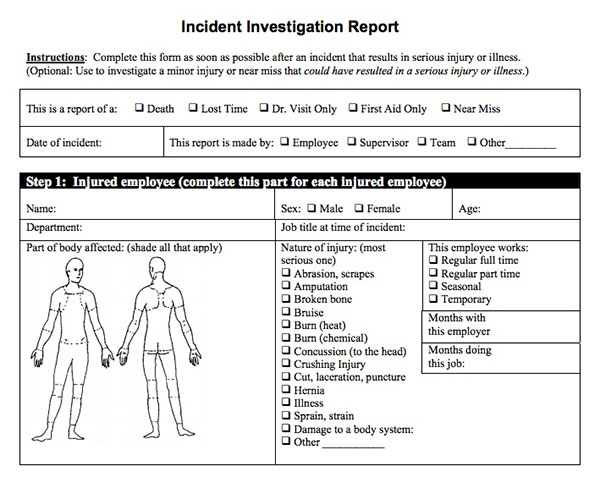
There is absolutely no requirement that an employee complete a written accident report under the Jones Act. Although it is certainly best to document your accident and injury with a written accident report, the Jones Act does not prohibit your claim from being filed if an accident report was not completed. Very often an employee will report his accident and injury to a supervisor who tells the employee to delay completing a report in order to determine if the injury is serious. Then, when the employee attempts to complete the written report later, he is told that he can no longer complete the report at that time. Just remember, completing an accident report is absolutely not required to file suit and successfully collect damages under the Jones Act. The Jones Act requires only that you prove that you suffered an injury at work for which your employer was responsible. You may prove such without a written report. We have successfully proved accidents by using an employee's medical records, the testimony of their co-employees, or their own testimony.

Recorded Statements-


An employee is not required to give a recorded statement under the Jones Act. Many companies will immediately take a tape-recorded statement from an injured employee following his accident. Providing a tape-recorded statement does not in any way help or strengthen your case. In fact, most tape-recorded statements will hurt an employee's Jones Act claim. Typically the employee is told that they need to provide a recorded statement in order to receive medical treatment and to properly document their accident. Again, there is absolutely no requirement under the Jones Act or any other law that the employee provide a recorded statement. Nonetheless, many employees will provide statements believing that it is necessary in order for them to receive medical treatment. When the statement is taken, detailed questions concerning the accident are asked including whether there was anything unsafe which caused or contributed to the accident. Many employees have not had time to think through the accident and typically will answer very quickly that the company was not at fault for the accident (and they just want to get medical treatment and get back to work). Often the employee believes that the injury may be insignificant and believes that they will keep their job with the employer. Sometimes the employee is taking medication when they provide the recorded statement and they simply do not understand or listen carefully to the questions.

In general, it is always best to refuse to give a recorded statement following your accident. You may simply inform the company very politely that you either have completed a written report or will complete a written report concerning the accident at which time you can carefully provide answers to any necessary questions. If your company insists that you provide a recorded statement, your company is protecting itself, not you.

Treating Physician


Under the Jones Act you are allowed to choose your own treating physician following your injury. This is perhaps the rule most violated by companies. Although when you think about it, it makes perfect sense that your employer will not want you to select a good treating physician for your injury. Your employer seldom has any desire for you to receive immediate proper medical treatment which could potentially prove the seriousness of your injury. Instead, most employers will provide you with a "company doctor" who will delay running necessary tests or delay providing specialized treatment for your injury. This typically serves two purposes.

First, the company can later say that your injury was not very serious since you received only basic, conservative treatment for several months following your injury. You will also not have proper testing performed to show the nature and extent of your injury during the first few months of your recovery.

Also, if a company doctor treats you for several weeks or even months and then declares that you have reached maximum improvement and you do not need any further treatment, your company will typically refuse to provide you with any further medical treatment on these grounds. So while you think you may be cooperating with the company by going to see a doctor that they have selected to treat you, in reality you may be making it very hard for you to receive proper medical treatment if the company-selected doctor discharges you. It is always best to insist that you receive treatment from a doctor that you select and trust. It is also best to insist that all proper medical testing be performed as soon possible following your injury.

Negligent Medical Treatment


If you receive negligent medical treatment from a doctor selected by your company to treat you, your company is responsible for this negligent treatment. Typically this occurs when a company-selected doctor will delay treatment of a condition which could have been properly treated early. It may also occur nowadays especially when individuals receive treatment in foreign countries while working overseas. Our office has handled several cases in which the employee did not receive proper treatment from an overseas medical clinic selected by their employer. In these circumstances the employer is responsible for the negligent medical treatment as well as any damage caused by the treatment.


Bookmark and Share