



If you’re unsure whether your situation warrants legal action under maritime law, a maritime personal injury attorney can help you determine if one of these claims is right for you.
Let’s take a look at the most common maritime personal injury claims.

The first one is the Jones Act claim (sometimes known as a Merchant Marine Act claim). It’s a statute that the federal government passed that protects injured maritime workers. However, only workers who are classified as a “seaman” may file a claim. This is someone who spends 30% or more of their time on a vessel in navigable waters.
Unlike worker’s compensation, Jones Act claims are filed directly against the employer of the injured seaman. The Jones Act helps maritime employees pursue compensation for lost wages, medical expenses, disability, and more. If you’re able to prove that employer negligence caused your injury, then this is the route you’ll want to take to obtain maximum compensation.
 The second claim is a maintenance and cure claim. These claims basically cover your medical expenses and provide some money to live on. By law, employers of injured seamen are required to pay for medical treatment until you have achieved maximum medical improvement. This means that medical treatment would no longer be useful in your recovery, either because you are fully recovered or because the injury is long lasting. Medical bills should be covered fully until this time.
 Maintenance and cure also applies to your living expenses. This includes rent, food, utility bills and any other reasonable costs that you must pay in order to maintain your life on land. If your injury happened offshore, your transportation away from the vessel will also be covered, as well as transportation to and from medical appointments.
If your employer refuse to pay you the full amount, then a maritime personal injury lawyer can pursue claims for maintenance and cure. This puts your employer at greater financial risk, since they will likely be forced to compensate you fully as well as paying additional punitive damages.
An unseaworthiness claim requires maritime employers to provide safe workspaces and seaworthy vessels. If someone is injured because of the poor condition of the vessel, then a maritime personal injury claim can be filed for unseaworthiness. The shipowner or employer could bear liability for any injuries and losses that were sustained because of unsafe conditions or unseaworthiness.

You can also have a maritime personal injury attorney file an unseaworthiness claim and seek any damages you suffered due to the unsafe equipment or vessel conditions. Proving unseaworthiness can be difficult at times, but with the right evidence and documents, we’re able to show how employers could’ve provided a safer workspace for crew members.
Another type of maritime personal injury claim is the negligence claim. A negligence claim basically means that you are demanding someone else repay you for damages they caused through their careless or reckless actions.
If the company failed to follow safety rules, then your attorney could argue that your injury occurred because of their negligence. If you have a slip and fall on the slippery boat deck, resulting in broken bones or shoulder injuries (both common in maritime cases), then your employer is potentially at fault for not providing non-skid surfaces or taking other precautions.
Under a maritime law negligence claim, you can recover any damages you suffered:
It’s not always a simple matter of proving your negligence claim, so we offer these 5 tips for proving negligence after an injury.
In many of our cases, our clients will pursue claims under the Jones Act against their employers, and at the same time, they pursue maritime law negligence claims against any responsible third parties who may have also contributed to their maritime accidents. This could include crew members and other maritime workers.
You may have been working for your company but on a vessel owned by another company, or you may have been working with other company employees who contributed to your accident. It’s not uncommon for us to file Jones Act and maintenance and cure claims against an employer, maritime negligence claims against a non-employer, and even an unseaworthiness claim against yet another party that owned the rig or vessel.
While the legal process may sound complicated, all the claims are really under one filing. By providing expertise in maritime law processes, a good maritime injury law firm can help you maximize your recovery.
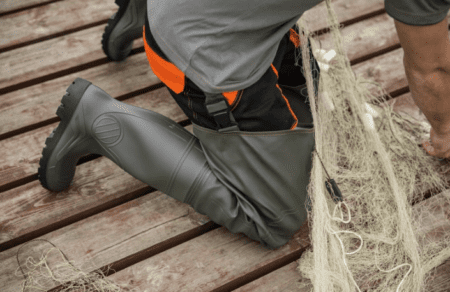 Generally, the following people can file maritime personal injury claims:
You also may be able to file a maritime claim if you’ve been injured while working on any of the following:
 The Longshore and Harbor Workers Compensation Act (LHWCA) offers legal protections to maritime workers who are not considered “seamen” under the Jones Act. This typically offers maritime personal injury claim options to injured workers who work in areas like:
Depending on your situation, you may receive compensation for
These are some of the questions we hear the most from our clients.
If your injury occurred while you were working on or near the water then you may be entitled to file a claim under general maritime law, the Jones Act, the Longshore and Harbor Workers’ Act, or the Death on the High Seas Act.
You have the right to pursue a lawsuit and recover damages. An experienced maritime injury attorney, like those of us at The Young Firm, can dramatically improve your chances of success.
In a word, yes. Our personal injury lawyers have handled maritime cases with clients from Louisiana, Mississippi, Alabama, Arkansas, and Texas as well as workers injured in the Gulf of Mexico and Mississippi River.
In addition, we have helped injured seamen across the United States by working with their local attorneys to ensure they have a skilled and experienced maritime injury legal team on their side.
We’ve been representing injured maritime workers for more than 50 years and we believe there is no blacklist. In fact, there are laws that prevent your former employer from revealing information like injuries you may have received while on the job. We’ve had several former clients who received excellent settlements later return to work offshore after they recovered from their injuries.
As word gets around that you’ve suffered an injury, you’re likely to get plenty of “advice” from others. Your uncle might tell you how his friend sued the oil company he worked for and got a multi-million dollar settlement, or the company may tell you not to seek medical care from anyone but their specialists.
With all of this conflicting injury advice coming at you at once, it can be difficult to decide to whom you should listen – if anyone – for help on how to handle a maritime personal injury claim.
After a serious offshore accident, you may get solicitations from “victim advocates” who claim to protect maritime workers by involving them in lawsuits and complicated legal cases. Your company may coerce you into seeing its doctors to confirm your injuries before it pays you any benefits.
If you’re getting hit hard with people offering to “help” with their advice and ideas, don’t accept their words as the final answer. Do your own independent research to find the answers to your own questions before you take advice from these sources.
When you find your own answers you can verify that the information is coming from a trusted source such as the U.S. Department of Labor’s website or a trusted maritime injury law firm.
Unfortunately, it’s common to see employers and insurance companies taking advantage of maritime workers. Be cautious of these deceptive tactics:
Before you file your maritime accident claim, you need to know what behaviors and events to avoid so you don’t damage your claim. A Louisiana maritime injury lawyer can help you throughout the claim process so you have the best shot at a fair settlement.
There is no short answer to this question. You want to protect your career, your family and your health, and you’re in a very tough position now. If you sustained a moderately serious injury and you believe the company or one of your co-workers did something wrong or incorrect that caused or contributed to your injury, then you are probably better off filing a claim. A “moderately serious injury” refers to one that you would be nervous to list on an employment application with another company or one you think another company would find important in deciding whether or not to hire you.
As an injured maritime worker, you have rights and protections under federal law to recover compensation for the damages you incurred because of someone else’s negligence. The New Orleans maritime injury attorneys at The Young Firm can explain your rights and legal options for getting the compensation you need at no cost.
Call us today for a free case evaluation and discover how we can help you pursue a negligence claim, Jones Act claim, or another legal action to get fair compensation for you injury related losses.
For more information, we offer several free publications that will help you make some very important decisions about your future.
More maritime injury claim articles: