



Injured oil rig workers have a few different options under maritime law, so it’s important to figure out what best fits your situation.
If you’d like to discuss your case, you can schedule a free consultation with on of our skilled New Orleans oil rig injury lawyers. During your free case evaluation with our maritime law firm, we’ll discuss potentially harmful substances, hazardous materials, defective equipment, chemical exposure, safety gear, and safety protocols. Oil rig operators have one of the world’s most dangerous jobs. We have handled all types of maritime injury cases, from broken bones to spinal cord injuries and fatal accidents.
If you’re spending long hours working on heavy machinery, then it is of the utmost importance that your job site is taking all necessary precautions to prevent personal injury. Burn injuries, head trauma, chemical burns, and all types of catastrophic injuries happen during offshore work. You shouldn’t have to pay for it the rest of your life.
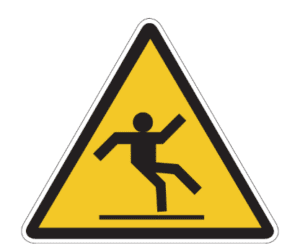
Slip and falls are some of the simplest and most common ways that maritime workers sustain serious injuries on drilling rig floors. Many offshore injuries are due to slippery oil-based drilling mud accumulating on the rig floor. Even non-oil based drilling mud can become slippery when it is on a hard metal rig floor.
Past clients have severely injured their knees, backs and other parts of their bodies when they have slipped on drilling mud that was negligently allowed to accumulate on a drilling rig floor. It has been our experience that safety practices should be in place on the rig floor to continuously clean the rig floor and make sure that no slippery substances are allowed to accumulate on the rig floor. We have successfully handled many negligence claims by proving that the responsible parties failed to provide a slip-free rig floor to our clients.
To reduce these hazards and hopefully prevent oil rig accidents, companies should take safety precautions such as:
coco mats
non-skid paint
designated walkways
among other precautions…
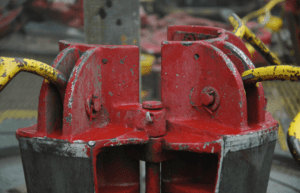
Job related injuries for offshore workers are commonly caused by the mishandling of drilling slips. We’ve seen many serious lower back injuries that happened because there weren’t enough workers required to pull the drilling slips. Offshore injuries caused by drilling slips also occur when the driller improperly operates the drill pipe or the rig is tilted or “listed” which causes the slips to hang up or get caught while the employees are pulling these slips. These types of conditions can easily cause severe back injuries.

Maritime accidents often relate to work being performed in the derrick. The derrick hand is typically required to pull pipe in or out of the fingers on the drilling rig. If these fingers are bent or otherwise improperly maintained, this can cause the derrick hand to struggle with the pipes. Also, the speed at which the pipe is being racked in or out of the fingers can often cause stress on the derrick hand.
The above situations are only a few examples of hazards and offshore accidents that are common on oil rigs. The driller and assistant driller are responsible to supervise the drilling floor. Many modern day drilling rigs have cameras in use on the drilling floor which can greatly assist in trying to prove the cause of an offshore accident. Also, most modern drilling companies are required to keep detailed safety records and reports. Your legal team will be able to use these aids in holding the responsible parties accountable over the course of your Jones Act claim.
Under the law, an oil rig is considered a vessel, which means that workers who suffer injuries on an oil rig are afforded certain rights and benefits under general maritime law, specifically in Jones Act claims. This the definition of a vessel according to 46 CFR 197.204:
Vessel means any waterborne craft including mobile offshore drilling units required to have a Certificate of Inspection issued by the Coast Guard or any waterborne craft connected with a deepwater port or within the deepwater port safety zone, or any waterborne craft engaged in activities related to the Outer Continental Shelf.
We often speak to clients who say, “Well, I wasn’t on a boat, I was on an oil rig. Why can you be my lawyer?” The definition of vessel is broader than most people realize, and it does include oil rigs. Ultimately, working on a vessel makes you a maritime worker who is protected under the Jones Act.
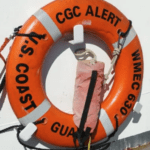
Since oil rigs are commonly defined as vessels, this means that Coast Guard regulations will normally apply. Companies have to be following Coast Guard Marine Management Services (MMS) rules and if they’re not, there should be immediate legal action taken. Failure to follow these regulations can cause severe accidents, and even death. So you are well within your legal rights to seek compensation for your lost wages, medical expenses, physical therapy, and any other expenses caused by their failure to comply.
The major drilling companies such as Diamond, Transocean, Rowan, Hercules and others are all enormous corporations. These large corporations think very differently than a small company. These companies will either hire a sophisticated and ruthless third party claims company like Shuman Consulting (Transocean) or have their own very experienced ‘claims’ department (Diamond, Rowan and others). What does it tell you when your company has an entire department called ‘claims’?

It is the job of Shuman or your company’s claims department, first and foremost, to minimize the compensation you may be entitled to. It’s that simple.
They will preach to you that their job is to help you with your medical care, but in reality they will choose medical treatment that is focused more on getting you back to work than on your actual health and wellness. Too often, we’ve had cases involving clients whose company doctors tried to send them back to work by saying nothing was wrong. When those same clients went to a doctor of their own choosing, they found that their injuries were much more severe than they’d been led to believe.
While they do want to get you back to work, its only so that you will not have any type of lost wages claim after you suffer a serious maritime injury. Learn more about why your company may rush you back to work.
Another challenge you’ll face after your rig injury is that your drilling company will make you feel guilty. They do this by building a family culture and giving out lots of gifts and hats and shirts and ‘knick knacks’. There is a real culture on your rig that if you fill out an accident report or, even worse, file a claim, that you are going against your ‘family’ of fellow rig workers.
Your company completely understands this pressure on you and they will usually play into to it by saying things like ‘we will take care of you’ and ‘you are valuable to us’. Your company may even say to you directly that you guys are all a family out there. You have to understand that a family is people who truly care about you, your health, and your future. Not a large business corporation.
I have heard it best said that an oil rig, or any well-run business (and that is where you worked, at a business, nothing more), is more like a professional sports team than a family. Each person plays an important role and is expected to perform for the team. As long as you can perform and produce, the team loves you and pays you well. But if you get hurt, then you are traded or cut. Getting your head around this is honestly one of the hardest things about your situation.
I can’t tell you how many good, hardworking oil rig workers we have met with who waited and waited to hire a law firm because they were trying to keep their company happy. In many of these cases, by the time we got involved, serious damage was done to their claim. These workers had no idea that they were ruining their personal injury case by waiting so long, and many were unable to recover damages by the time they decided to seek legal representation.

You do have some advantages that can help you get what you deserve in your claim. First, you have a much larger hierarchy on your rig than on a small vessel or tug. You typically have several people working above you and also below you. If one of those people did their job improperly, it may have been the cause of your accident. This sometimes makes it harder for your company to blame you for your accident, which they absolutely will try to do.
Next, drilling companies typically have enormous safety manuals which spell out how each job should be done. This doesn’t mean that you read the manual regularly, but these manuals and documents often help in winning your case. The same applies with the job descriptions that exist for all the various positions.
Have you ever read the written job descriptions for your OIM, Toolpusher or Driller? These guys are required to supervise and actively monitor the rig and all its equipment. And the JSA records also often help your case. We know that these are often not done (or worse, they’re forged) but having these documents can often provide evidence to win your claim.
I can’t tell you how many times a potential client has said that he didn’t think anything was done wrong to cause his accident, and it was just ‘one of those things’. They often say, ‘that’s the way we always do the job on our rig.’ That may be true, but it doesn’t mean that the job is being done safely or in the best possible way.
Federal juries in offshore injury cases just like yours are actually told:
“You must determine if the operation in question was reasonably safe under the circumstances. The fact that a certain practice has been continued for a long period of time does not necessarily mean that it is reasonably safe under all circumstances. A long accepted practice may be an unsafe practice.”
This is why we routinely hire drilling experts, crane operation experts, naval architects and others to review these offshore accidents and let us know if something should have been done differently.
A1: Common offshore injuries include traumatic brain injuries, head injuries, severe injuries from fall accidents, and exposure to toxic chemicals. Offshore workers often face these hazards due to the nature of their work with crude oil.
A2: Offshore workers can protect themselves by following proper safety measures, using appropriate personal protective equipment, and staying aware of their surroundings. Employers should also ensure that safety protocols are strictly enforced to prevent accidents.
A3: If you’re injured offshore in an oil rig accident, seek medical attention immediately. Document the incident, report it to your supervisor, and consult with an experienced offshore injury lawyer to understand your rights and options for compensation.
A4: Unfortunately, deaths can occur when working offshore due to the high-risk environment. Ensuring strict adherence to safety regulations can help mitigate these tragic incidents.
A5: Yes, exposure to toxic chemicals can lead to long-term health issues, including respiratory problems, skin conditions, and other severe injuries. It’s crucial to use proper protective gear and follow safety protocols to minimize exposure.
A6: Offshore workers injured on the job may be entitled to compensation through various legal avenues, including workers’ compensation, personal injury claims, and maritime law protections. Consulting with a specialized oil rig injury lawyer can help navigate these options.
 Your Next Step
What you are going through is very difficult. Oil rig accidents can leave you in a lot of pain and turmoil. We have resources at our free download page which will give you guidance and support. You can read about how guys just like you ended up doing fine after their injuries. It always helps to see how other people came out of your same situation and things got better for them.
Once you have a better understanding of maritime accidents and your right to fair compensation, we guarantee you that you will feel better about your future.
If you’ve been involved in an offshore accident and have any questions about your legal rights, we’re also happy to review your case with you. Schedule a free consultation and we’ll have an experienced offshore injury attorney go over your options with you.
400 Poydras St, Ste 2090
New Orleans, LA 70130
504-608-6308